

Understanding Iron and Its Role in Your Overall Health
Iron is one of the most essential minerals in the human body, yet it is often overlooked until problems arise. It plays a central role in producing hemoglobin, the protein in red blood cells that carries oxygen from the lungs to every tissue and organ. Without enough iron, this oxygen delivery system begins to fail, leaving cells deprived of the energy they need to function properly. As a result, nearly every system in the body is affected, from the brain and heart to the muscles and immune system.
Beyond oxygen transport, iron supports immune defense, cognitive function, muscle metabolism, and hormone regulation. When iron levels are balanced, the body operates efficiently and maintains steady energy levels. However, when iron stores decline, the body enters a state of gradual dysfunction that may take months or even years to become fully noticeable. This slow progression is one of the reasons iron deficiency anemia often remains undiagnosed until symptoms become severe.
Why Iron Deficiency Often Goes Undetected
Iron deficiency rarely appears suddenly. Instead, it develops quietly as iron stores are slowly depleted over time. Many people experience mild symptoms at first, such as occasional fatigue or difficulty concentrating, and dismiss them as normal consequences of stress, aging, or lack of sleep. Because these early signs do not seem alarming, medical attention is often delayed.
Another reason iron deficiency goes unnoticed is that its symptoms overlap with many other health conditions, including depression, thyroid disorders, and chronic fatigue syndrome. Individuals may visit multiple healthcare providers before iron deficiency is even considered. In some cases, people adapt to their declining energy levels and reduced physical capacity, believing that this new state of exhaustion is simply part of their normal life.
Constant Fatigue and Unusual Weakness
One of the most common and earliest signs of iron deficiency anemia is persistent fatigue that does not improve with rest. This fatigue feels different from ordinary tiredness. It is often described as a deep, heavy exhaustion that affects both the body and mind. Even after a full night of sleep, individuals may wake up feeling drained and unprepared for the day ahead.
This happens because low iron reduces the body’s ability to deliver oxygen to muscles and tissues. Without sufficient oxygen, cells cannot produce energy efficiently. Over time, simple activities such as walking, cooking, or completing daily tasks begin to feel overwhelming. Many people notice that they must exert far more effort than before to accomplish even basic responsibilities.
Pale Skin and Loss of Natural Color
Healthy blood gives the skin its natural warmth and color. When iron levels drop, hemoglobin production decreases, and blood loses its rich red tone. As a result, the skin may appear pale, dull, or washed out. This change is often most noticeable on the face, lips, gums, and inside the lower eyelids.
Paleness is not merely a cosmetic concern. It reflects reduced oxygen circulation throughout the body. Some individuals also notice that their complexion looks tired or lifeless, even when they are otherwise healthy. Over time, this subtle change in appearance can affect self-confidence and contribute to emotional distress.
Shortness of Breath During Simple Activities
Another major sign of iron deficiency anemia is shortness of breath, even during light physical activity. Walking up stairs, carrying groceries, or performing household chores may suddenly feel difficult. Individuals may find themselves breathing faster or more deeply in an attempt to compensate for low oxygen levels.
This occurs because the heart and lungs must work harder to supply enough oxygen to the body. When hemoglobin is low, the body responds by increasing respiratory and heart rates. Over time, this strain can lead to reduced exercise tolerance and a sense of physical limitation that affects both work and leisure activities.
Frequent Headaches and Persistent Dizziness
Low iron levels can reduce oxygen flow to the brain, leading to frequent headaches, lightheadedness, and dizziness. These symptoms may occur suddenly when standing up, walking, or engaging in physical activity. Some individuals experience a constant pressure-like sensation in the head, while others report sharp or throbbing pain.
Dizziness can be particularly concerning because it increases the risk of falls and accidents. In severe cases, fainting may occur. These neurological symptoms often interfere with concentration and productivity, making it difficult to perform tasks that require mental clarity and focus.
Cold Hands and Feet That Rarely Feel Warm
People with iron deficiency anemia often complain of constantly cold hands and feet, even in warm environments. This occurs because the body prioritizes oxygen delivery to vital organs such as the heart and brain, reducing circulation to the extremities.
Over time, this poor circulation can lead to numbness, tingling, or discomfort. Some individuals feel perpetually chilled and struggle to maintain body warmth. This symptom can significantly affect comfort and quality of life, especially during colder seasons.
Heart Palpitations and Irregular Heartbeat
As iron deficiency worsens, the heart is forced to pump harder to circulate oxygen-poor blood. This increased workload may cause heart palpitations, irregular heartbeats, or a sensation of fluttering in the chest. These symptoms can be alarming and may lead individuals to believe they are experiencing heart disease.
While mild palpitations may resolve with treatment, prolonged anemia can place significant strain on the cardiovascular system. If left untreated, it may contribute to heart enlargement or heart failure, particularly in older adults or those with existing heart conditions.
Brain Fog, Poor Focus, and Memory Problems
Iron plays an important role in brain function and neurotransmitter production. When iron levels are low, cognitive performance often declines. Individuals may experience difficulty concentrating, forgetfulness, slowed thinking, and reduced problem-solving ability.
This mental fog can affect work performance, academic success, and daily decision-making. Many people become frustrated by their inability to think clearly, which may lead to decreased confidence and increased stress. Over time, these cognitive challenges can interfere with personal and professional goals.
Brittle Nails, Hair Thinning, and Hair Loss
Physical appearance often reflects internal health, and iron deficiency is no exception. One common sign is brittle, thin, or spoon-shaped nails that break easily. Some individuals notice ridges, peeling, or unusual nail texture.
Hair thinning and hair loss are also frequent symptoms. Because hair follicles require adequate oxygen and nutrients, low iron disrupts their growth cycle. Over time, hair may become dry, weak, and sparse. This change can be emotionally distressing, particularly for individuals who associate their appearance with self-esteem and identity.
Unusual Cravings for Ice, Dirt, or Starch (Pica)
One of the most unusual signs of iron deficiency anemia is pica, a condition characterized by cravings for non-food substances such as ice, clay, dirt, paper, or starch. While the exact cause is not fully understood, researchers believe it may be related to changes in brain chemistry caused by low iron levels.
Chewing ice, known as pagophagia, is particularly common. Many individuals are unaware that this habit may signal a nutritional deficiency. Because pica is often embarrassing, people may hide it, delaying diagnosis and treatment.
Restless Legs and Difficulty Sleeping
Iron deficiency can also disrupt sleep patterns. Many individuals experience restless legs syndrome, a condition marked by uncomfortable sensations in the legs and an uncontrollable urge to move them. These symptoms are usually worse at night and interfere with restful sleep.
Poor sleep further worsens fatigue, mood disturbances, and cognitive problems. Over time, chronic sleep disruption creates a vicious cycle that intensifies the effects of anemia and weakens overall health.
Why These Symptoms Often Appear Together
Iron deficiency anemia rarely produces a single isolated symptom. Instead, multiple physical, emotional, and cognitive changes develop simultaneously. Fatigue worsens concentration, sleep problems intensify mood changes, and physical weakness limits activity. Together, these symptoms gradually reshape daily life.
Because this progression is slow, many individuals normalize their discomfort and fail to recognize it as a medical condition. Understanding how these symptoms are interconnected is essential for early detection and effective intervention.
Common Causes and Medical Diagnosis
Iron deficiency may result from inadequate dietary intake, poor absorption, chronic blood loss, heavy menstrual periods, gastrointestinal disorders, or certain medical conditions. Pregnancy, childhood growth, and intense physical activity also increase iron requirements.
Diagnosis involves blood tests measuring hemoglobin, ferritin, and iron levels. Multiple tests are often necessary to confirm anemia and determine its cause. Early diagnosis allows for targeted treatment and prevents long-term complications.
Treatment Options and Lifestyle Support
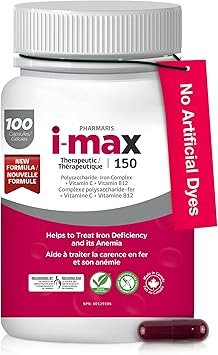
Treatment depends on severity and underlying causes. Mild cases may be managed through dietary changes, including increased intake of iron-rich foods such as lean meats, legumes, leafy greens, and fortified grains. Vitamin C improves iron absorption and is often recommended alongside iron intake.
More severe cases may require oral supplements or intravenous iron therapy. Addressing lifestyle factors such as sleep, stress, and digestive health also supports recovery. Long-term management focuses on restoring iron stores and preventing recurrence.
Emotional Impact and the Importance of Taking Action
Living with iron deficiency anemia can affect emotional well-being. Chronic exhaustion, reduced productivity, and physical changes often lead to frustration, anxiety, and low self-esteem. Many individuals feel misunderstood or dismissed when their symptoms are minimized.
Seeking medical care and discussing concerns openly can provide reassurance and direction. With proper treatment, most people experience significant improvement in energy, mood, and overall functioning.
Rebuilding Strength, Energy, and Long-Term Health
Iron deficiency anemia is a treatable condition, but only when it is recognized and addressed. Paying attention to subtle changes in energy, appearance, and mental clarity can lead to early intervention and better outcomes. Restoring healthy iron levels allows the body to heal, rebuild strength, and regain balance.
By understanding the signs of iron deficiency, individuals empower themselves to take control of their health. With appropriate care, it is possible to reclaim vitality, confidence, and a higher quality of life.