

Marketing is one of the most important elements in the success of any small business, yet it is also one of the most misunderstood. Many business owners believe that marketing is only about advertising or that it requires a large budget and complex tools. In reality, marketing is about understanding people, communicating value, and building trust over time. Even the best product or service will fail if customers do not know it exists or if they do not clearly understand why they should buy it. For small businesses, especially, effective marketing can mean the difference between steady growth and constant struggle.
At its core, marketing is the bridge between a business and its customers. It shapes how people perceive your brand, how they feel about your products or services, and whether they trust you enough to make a purchase. Small businesses that take the time to develop thoughtful marketing strategies often find that they do not need massive budgets to compete. What they need instead is clarity, consistency, and a genuine understanding of their audience.
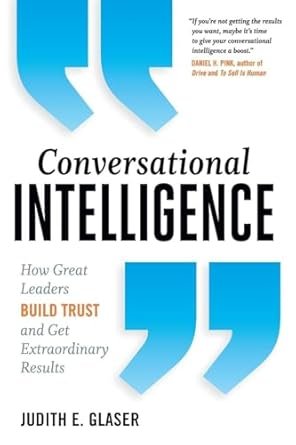
Disclaimer: This book is affiliated. You can get it on Amazon. Click on the image.
Understanding Your Customers as the Foundation of Marketing
Every successful marketing strategy begins with a deep understanding of the customer. Too many small business owners try to sell to everyone, believing that a wider audience means more sales. In practice, this approach usually produces weak results because the message becomes too general to resonate with anyone. When you clearly define who your ideal customer is, your marketing becomes more focused, more relevant, and more effective.
Understanding your customers means learning about their daily challenges, their goals, their fears, and their motivations. It means paying attention to the questions they ask, the problems they complain about, and the solutions they are already trying. When you truly understand your audience, you can speak directly to their needs rather than guessing what might appeal to them. This clarity allows your marketing message to feel personal, helpful, and trustworthy instead of generic and sales-driven.
Communicating a Clear and Compelling Value Message
Once you understand your customers, the next step is to communicate a clear message about what your business offers and why it matters. Many small businesses struggle because their message is confusing or vague. Customers should be able to understand what you do, who you help, and how you help them within a few seconds of visiting your website or social media page.
A strong value message explains not only what you sell, but also the benefit it provides. It focuses on how your product or service improves the customer’s life, saves them time, reduces stress, or solves a specific problem. When your message is clear and consistent, customers feel more confident choosing you because they understand exactly what they are getting and why it is valuable.
Creating a Simple and Trustworthy Online Presence
In today’s world, a business without an online presence often appears invisible or untrustworthy. Most customers search online before making a purchase, even if they plan to buy locally. This does not mean that you need an expensive or complex website. What matters most is that your online presence is clear, honest, and easy to navigate.
Your website or social media page should explain who you are, what you offer, and how people can contact you. It should look professional enough to inspire confidence, even if it is simple. When customers can quickly find basic information about your business and see that others have had positive experiences with you, they are far more likely to reach out or make a purchase.
Using Helpful Content to Build Trust and Authority
One of the most effective ways to market a small business is by sharing useful information. Content marketing involves creating blog posts, videos, emails, or social media updates that educate or guide your audience rather than constantly trying to sell to them. When you consistently provide helpful content, customers begin to see you as a trusted expert rather than just another business trying to make money.
Over time, this trust turns into sales. People naturally prefer to buy from businesses that they feel understand them and genuinely want to help. Helpful content also keeps your business visible and reminds customers that you exist, even when they are not actively shopping for your product or service.
Building Relationships Through Social Media
Social media gives small businesses a powerful way to connect directly with customers. Instead of being a one-way advertising channel, social media allows for real conversations. You can answer questions, respond to comments, and show the human side of your business by sharing behind-the-scenes moments or customer stories.
When people feel that a business is approachable and responsive, they are more likely to trust it. Social media also allows customers to get to know your brand’s personality, values, and mission. Over time, this familiarity creates a sense of connection that makes customers more comfortable buying from you and recommending you to others.
Staying Connected With Customers Through Email
Email marketing remains one of the most powerful and reliable tools for small businesses. Unlike social media, where algorithms control who sees your posts, email allows you to communicate directly with people who have already shown interest in your business. It gives you a way to share updates, promotions, helpful tips, and personal messages that keep your brand top of mind.
When done thoughtfully, email marketing feels like a conversation rather than an advertisement. It strengthens relationships and encourages repeat purchases. Even a small email list can generate meaningful results when the messages are relevant and respectful of the reader’s time.
Staying Connected With Customers Through Email
Email marketing remains one of the most powerful and reliable tools for small businesses. Unlike social media, where algorithms control who sees your posts, email allows you to communicate directly with people who have already shown interest in your business. It gives you a way to share updates, promotions, helpful tips, and personal messages that keep your brand top of mind.
When done thoughtfully, email marketing feels like a conversation rather than an advertisement. It strengthens relationships and encourages repeat purchases. Even a small email list can generate meaningful results when the messages are relevant and respectful of the reader’s time.
Using Reviews and Referrals to Build Credibility
People trust other people more than they trust advertisements. This is why customer reviews and referrals are so powerful. When potential customers see that others have had positive experiences with your business, they feel more confident choosing you.
Encouraging satisfied customers to share their experiences can dramatically improve your credibility. Referrals work similarly. When someone recommends your business to a friend or family member, it carries far more weight than any marketing message you could create yourself. Over time, positive reviews and referrals can become one of your strongest sources of new customers.
Offering Promotions Without Hurting Your Brand
Special offers and promotions can be effective tools for encouraging people to take action. Limited-time discounts, bundled services, or loyalty rewards can motivate hesitant customers to make their first purchase or to return for another. However, promotions should be used carefully.
If a business relies too heavily on discounts, customers may begin to see it as cheap or low quality. The goal is to use promotions strategically to attract attention and reward loyal customers without reducing the perceived value of your brand.
Focusing on Customer Experience After the Sale
Marketing does not end when a customer makes a purchase. In many ways, it is just beginning. A positive customer experience leads to repeat business, referrals, and long-term loyalty. This includes clear communication, fast responses, reliable service, and a smooth buying process.
When customers feel respected and valued, they are far more likely to stay with your business and speak positively about it to others. Over time, excellent customer experience becomes a form of marketing in itself.
Learning From Results and Improving Over Time
No marketing strategy works perfectly from the beginning. The most successful small businesses treat marketing as an ongoing learning process. They pay attention to what works, what does not, and how customers respond to different messages and offers.
By tracking basic results such as website visits, inquiries, and sales, business owners can gradually refine their strategies. Small improvements made consistently can lead to significant growth over time.
Finally, small business marketing does not have to be complicated, expensive, or overwhelming. The most effective strategies are built on understanding customers, communicating clearly, and building genuine trust. When marketing is approached as a long-term relationship rather than a short-term sales tactic, it becomes far more powerful.
Growth does not happen overnight. It comes from consistent effort, thoughtful communication, and a willingness to learn and adapt. Small businesses that commit to these principles often find that sales increase naturally as trust and visibility grow.
With patience, clarity, and consistency, even the smallest business can build a strong brand, attract loyal customers, and achieve steady, long-term growth through smart, practical marketing.