
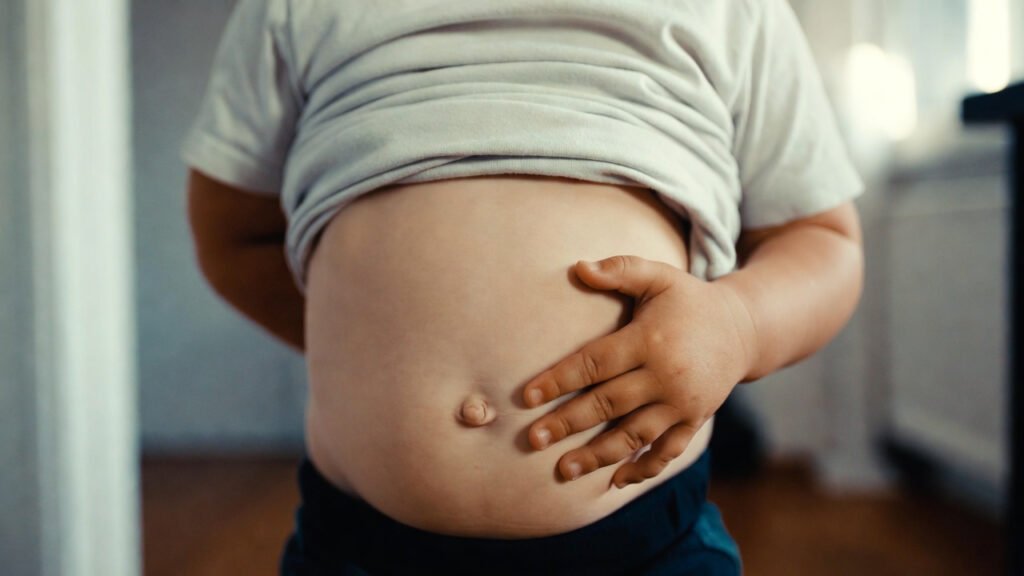
An Informative Guide for Parents and Caregivers
Childhood obesity has become one of the most pressing public health concerns worldwide. While many parents are aware that excess weight can increase a child’s risk of diabetes, heart disease, and joint problems, fewer realize that it can also seriously affect the liver. One of the most significant and growing complications of childhood obesity is non-alcoholic fatty liver disease (NAFLD). This condition was once seen almost exclusively in adults but is now increasingly diagnosed in children.
The liver plays a vital role in digestion, metabolism, detoxification, and energy storage. When excess fat accumulates in liver cells, it can interfere with these functions and set the stage for long-term health problems. This article explains how extra weight can harm a child’s liver, the conditions involved, warning signs to watch for, and what parents can do to protect their child’s liver health.
Understanding the Liver’s Role in a Child’s Body
The liver is one of the largest and most important organs in the body. In children, it performs many essential functions, including:
- Processing nutrients from food
- Regulating blood sugar levels
- Producing bile for digestion
- Removing toxins and waste products
- Supporting immune function
- Storing vitamins and minerals
When the liver is healthy, it efficiently manages these tasks. However, when fat builds up inside liver cells, its ability to function properly becomes compromised.
What Is Non-Alcoholic Fatty Liver Disease (NAFLD)?
Non-alcoholic fatty liver disease (NAFLD) is a condition in which excess fat accumulates in the liver of individuals who consume little or no alcohol. In children, NAFLD is now the most common chronic liver disease.
NAFLD exists on a spectrum that includes:
- Simple Fatty Liver (Steatosis)
Fat is present in the liver, but there is little or no inflammation or liver cell damage. - Non-Alcoholic Steatohepatitis (NASH)
Fat accumulation is accompanied by inflammation and liver cell injury. This stage is more serious and can progress to permanent damage. - Fibrosis
Repeated inflammation leads to the formation of scar tissue in the liver. - Cirrhosis
Extensive scarring disrupts liver structure and function, potentially leading to liver failure.
Although cirrhosis is rare in children, early liver damage during childhood can increase the risk of severe liver disease later in life.
How Extra Weight Leads to Fatty Liver in Children
Excess body weight, particularly around the abdomen, is strongly associated with liver fat accumulation. Several biological mechanisms explain this connection.
1. Increased Fat Delivery to the Liver
When a child consumes more calories than their body needs—particularly from sugary foods, refined carbohydrates, and unhealthy fats—the excess energy is stored as fat. Some of this fat travels through the bloodstream to the liver and becomes deposited in liver cells.
2. Insulin Resistance
Overweight and obese children often develop insulin resistance, a condition in which the body’s cells do not respond properly to insulin. As a result, the body produces more insulin to keep blood sugar levels stable.
High insulin levels promote fat storage in the liver and reduce the liver’s ability to break down fat. This creates a cycle in which more and more fat accumulates in liver tissue.
3. Inflammation and Oxidative Stress
Excess fat tissue produces inflammatory chemicals called cytokines. These substances can trigger inflammation in the liver, damaging liver cells and increasing the risk of progression from simple fatty liver to NASH.
Risk Factors That Increase Liver Damage in Overweight Children
While extra weight is the primary risk factor, several other factors can increase a child’s susceptibility to liver damage:
- Poor Diet: High intake of sugary beverages, fast food, processed snacks, and refined carbohydrates
- Sedentary Lifestyle: Limited physical activity and excessive screen time
- Genetics: Family history of fatty liver disease, obesity, or type 2 diabetes
- Ethnicity: Higher prevalence has been observed in Hispanic and South Asian populations
- Metabolic Conditions: Prediabetes, type 2 diabetes, high cholesterol, and high triglycerides
Signs and Symptoms of Liver Problems in Children
One of the most concerning aspects of fatty liver disease in children is that it often causes no noticeable symptoms in the early stages. Many children appear completely healthy despite having significant fat accumulation in the liver.
When symptoms do occur, they may include:
- Persistent fatigue or low energy
- Abdominal discomfort, particularly in the upper right side
- Unexplained weight gain or difficulty losing weight
- An enlarged liver detected during a physical exam
- Darkened skin patches on the neck or underarms (a sign of insulin resistance)
In more advanced cases, symptoms may include:
- Yellowing of the skin or eyes (jaundice)
- Swelling in the abdomen
- Easy bruising
Because symptoms are often subtle or absent, routine medical checkups are crucial for early detection.
How Fatty Liver Disease Is Diagnosed in Children
If a child is overweight and shows risk factors for liver disease, a healthcare provider may recommend several tests:
- Blood Tests: Elevated liver enzymes (ALT and AST) may indicate liver inflammation or damage.
- Imaging Studies: Ultrasound, MRI, or CT scans can detect fat accumulation in the liver.
- Liver Biopsy: In rare cases, a small tissue sample may be taken to assess the severity of liver damage.
Early diagnosis allows for timely intervention and can prevent progression to more serious disease.
Long-Term Consequences of Liver Damage in Childhood
If left untreated, fatty liver disease in children can lead to serious health complications later in life, including:
- Chronic liver disease
- Liver fibrosis and cirrhosis
- Liver failure
- Increased risk of liver cancer
- Higher likelihood of developing type 2 diabetes and cardiovascular disease
Early liver damage can set a lifelong trajectory of metabolic illness, making prevention and early management especially important.
Can Fatty Liver Disease in Children Be Reversed?
The encouraging news is that fatty liver disease in children is often reversible, especially in the early stages. The liver has a remarkable ability to heal when excess fat is reduced and inflammation is controlled.
Key strategies include:
1. Achieving a Healthy Weight
Gradual and sustained weight loss is one of the most effective ways to reduce liver fat and improve liver function. Even a modest reduction in body weight can lead to significant improvements.
2. Improving Diet Quality
A liver-friendly diet for children includes:
- Plenty of fruits and vegetables
- Whole grains instead of refined grains
- Lean protein sources such as fish, poultry, beans, and eggs
- Healthy fats from nuts, seeds, and olive oil
- Limiting sugary drinks, candy, pastries, and fast food
Reducing added sugars—especially fructose from soft drinks and sweetened juices—is particularly important.
3. Increasing Physical Activity
Regular physical activity helps improve insulin sensitivity and reduce liver fat. Children should aim for at least 60 minutes of moderate to vigorous activity per day, including:
- Walking, biking, or swimming
- Team sports or dance
- Active play at home or outdoors
4. Reducing Screen Time
Limiting time spent on televisions, smartphones, and video games encourages more physical movement and healthier habits.
The Role of Parents and Caregivers
Parents play a central role in protecting a child’s liver health. Small, consistent changes in the home environment can make a significant difference.
Helpful steps include:
- Preparing balanced meals at home
- Encouraging family physical activities
- Keeping healthy snacks readily available
- Modelling healthy eating and exercise habits
- Scheduling regular pediatric checkups
Positive reinforcement and supportive communication are more effective than criticism or strict dieting rules.
When to Seek Medical Advice
Parents should consult a healthcare professional if their child:
- Is overweight or obese
- Has a family history of liver disease or diabetes
- Shows signs of insulin resistance
- Has abnormal liver blood test results
- Complaints of persistent abdominal discomfort or fatigue
Early medical guidance can help create a personalized plan to restore and protect liver health.
Extra weight can have a profound impact on a child’s liver, often leading to non-alcoholic fatty liver disease and related complications. Because early stages may show few or no symptoms, the condition can go unnoticed without routine screening and medical awareness.
The good news is that fatty liver disease in children is frequently reversible through healthy lifestyle changes, including improved diet, increased physical activity, and gradual weight management. By recognizing the risks and taking proactive steps, parents and caregivers can help safeguard their child’s liver health and set the foundation for a healthier future.
Protecting a child’s liver is not just about preventing disease today—it is about preserving long-term well-being and giving children the opportunity to grow into healthy adults.
Disclaimer: This article is for general informational purposes only and is not a substitute for professional medical advice, diagnosis, or treatment. Always consult a qualified healthcare provider regarding any medical concerns about your child’s health.