
Cervical cancer is one of the few cancers that doctors can often prevent or catch very early. Despite this, it still affects thousands of women around the world every year. One of the main reasons it remains dangerous is that, in its earliest stage, it usually causes no symptoms at all.
Many women with stage 1 cervical cancer feel completely normal. They go about their daily lives, work, care for their families, and experience no pain, bleeding, or unusual changes. Because nothing feels wrong, they have no reason to think anything serious is happening inside their bodies.
This is why people often say that early cervical cancer is “silent.” It grows quietly and slowly, without giving clear warning signs. By the time symptoms appear, the cancer may already be in a more advanced and harder-to-treat stage.
In this article, we will talk in simple, everyday language about what stage 1 cervical cancer is, why it usually has no symptoms, how it develops, and why regular screening is so important. Understanding this can help women protect their health and take action before it’s too late.
What Is Cervical Cancer?
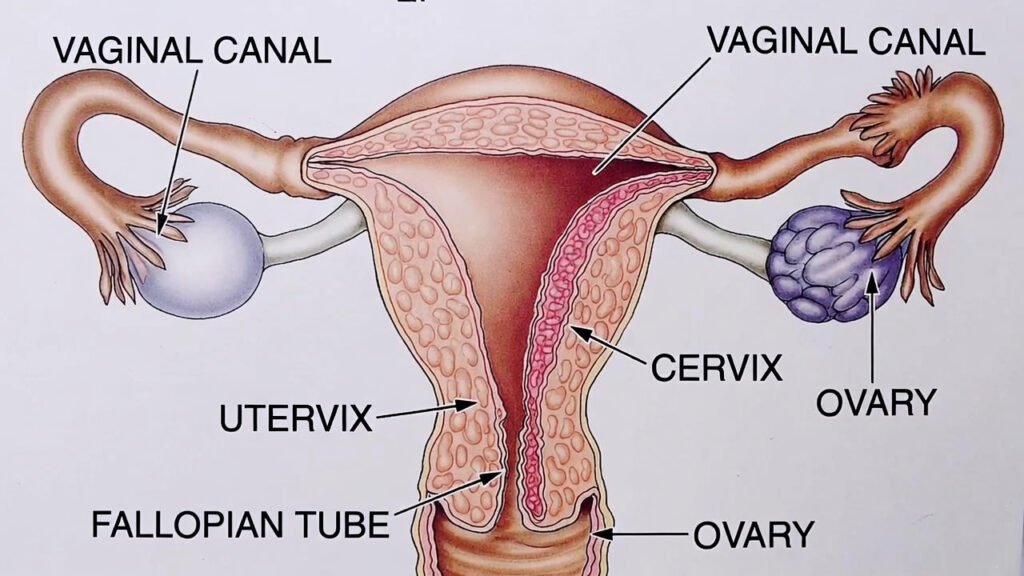
Cervical cancer begins in the cervix, which is the lower part of the uterus that connects to the vagina. The cervix plays an important role in menstruation, pregnancy, and childbirth.
Most cervical cancers start when healthy cells in the cervix slowly change into abnormal cells. Over time, some of these abnormal cells can become cancerous.
In most cases, cervical cancer is caused by a long-lasting infection with certain types of human papillomavirus, or HPV. HPV is a very common virus that is spread mainly through sexual contact. Many people get HPV at some point in their lives, and most infections go away on their own. But in some women, high-risk types of HPV stay in the body for many years and slowly damage cervical cells.
This slow process is one of the reasons cervical cancer can be detected early through screening tests. It also explains why early cervical cancer can exist for a long time without causing symptoms.
What Does “Stage 1” Cervical Cancer Mean?
Stage 1 cervical cancer means that the cancer is still limited to the cervix. It has not spread to nearby tissues, lymph nodes, or other organs.
Doctors further divide stage 1 into smaller categories:
- Stage 1A: The cancer is so small that it can only be seen under a microscope.
- Stage 1B: The cancer is larger and visible, but still only in the cervix.
In both cases, the tumor is small and has not yet caused major damage. This early stage is also the most treatable stage, with very high survival rates when proper treatment is given.
Why Cervical Cancer Can Be Silent in Stage 1
There are several simple reasons why stage 1 cervical cancer usually causes no symptoms.
1. The Cancer Is Very Small
In stage 1, the cancer is usually tiny. In stage 1A, it may be only a few millimeters in size.
A growth this small does not interfere with how the cervix works. It does not block anything, press on other organs, or damage surrounding tissue.
Because of this, women do not feel:
- Pain
- Pressure
- Discomfort
- Changes in their bodies
The cancer is simply too small to be noticed.
2. The Cervix Has Few Pain Receptors
The cervix does not have many nerves that sense pain. This means that even when abnormal cells are growing, they usually do not cause discomfort.
Unlike a toothache or a stomach problem, where pain appears quickly, changes in the cervix can happen quietly.
This lack of pain is one of the main reasons early cervical cancer goes unnoticed.
3. Early Cancer Does Not Affect Daily Body Functions
In stage 1, cervical cancer does not change hormone levels, menstrual cycles, or sexual function.
Most women with early cervical cancer:
- Have normal periods
- Do not bleed between periods
- Do not bleed after sex
- Do not feel pain during intercourse
Since everything feels normal, there is no reason to suspect a problem.
4. It Grows Slowly Over Many Years
Cervical cancer usually develops very slowly.
It often starts as precancerous changes called cervical dysplasia. These abnormal cells can remain for many years before turning into cancer.
From the first abnormal cells to early cancer, it may take:
- 5 to 15 years
- Sometimes even longer
During this long period, most women feel perfectly healthy.
5. It Has Not Spread to Other Organs Yet
In stage 1, the cancer is still only in the cervix. It has not reached nearby organs such as:
- The vagina
- The bladder
n- The rectum
Because these organs are not affected, women do not experience urinary problems, bowel changes, or pelvic pressure.
When Do Symptoms Usually Appear?
Symptoms usually begin when cervical cancer grows beyond stage 1.
As the tumor becomes larger and invades nearby tissue, it can cause noticeable changes.
Common symptoms include:
- Bleeding after sex
- Bleeding between periods
- Bleeding after menopause
- Unusual vaginal discharge
- Pelvic pain
- Pain during intercourse
- Lower back pain
- Swelling in the legs
These symptoms often mean the cancer is more advanced.
This is why waiting for symptoms before seeing a doctor is dangerous.
The Role of HPV in Silent Cervical Cancer
Most cervical cancers are caused by long-term infection with high-risk HPV types.
HPV usually causes no symptoms. A woman can carry HPV for many years without knowing it.
During this time, the virus can slowly damage cervical cells.
Because both HPV infection and early cervical cancer are silent, a woman can develop stage 1 cancer without ever feeling sick.
Why Screening Is So Important
Because stage 1 cervical cancer has no symptoms, screening is the only reliable way to detect it early.
Pap Smear
A Pap smear looks for abnormal cells on the cervix.
It can detect:
- Precancerous changes
- Very early cancer
Finding these changes early allows doctors to treat them before cancer develops or spreads.
HPV Test
An HPV test checks for high-risk HPV types.
It helps identify women who are more likely to develop cervical cancer in the future.
Why Both Tests Matter
When Pap smears and HPV tests are used together, they are extremely effective.
They can find problems years before symptoms appear.
Who Is at Higher Risk?
Although any woman can develop cervical cancer, some are at higher risk:
- Women who do not get regular Pap smears
- Women with long-term high-risk HPV infection
- Smokers
- Women with weakened immune systems
- Women who began sexual activity at a very young age
- Women with multiple sexual partners
Even women without these risk factors can still develop cervical cancer.
Why Many Women Miss Early Diagnosis
Many women skip screening because they feel healthy.
Common reasons include:
- No symptoms
- Fear of test results
- Embarrassment
- Busy schedules
- Lack of awareness
- Limited access to healthcare
Unfortunately, feeling healthy does not mean there is no cancer.
How Often Should Women Be Screened?
General guidelines recommend:
- Pap smears every 3 years starting at age 21
- HPV testing every 5 years beginning at age 30
- Or combined Pap and HPV testing every 5 years
Individual recommendations may vary.
Can Cervical Cancer Be Prevented?
Yes, in many cases.
HPV Vaccination
The HPV vaccine protects against the main types of HPV that cause cervical cancer.
It works best when given before a person becomes sexually active, but it can still help adults.
Regular Screening
Routine Pap smears and HPV tests can detect problems early.
Healthy Lifestyle
- Avoid smoking
- Practice safe sex
- Follow up on abnormal test results
What Happens If Stage 1 Cervical Cancer Is Found?
The good news is that stage 1 cervical cancer is highly treatable.
Treatment options may include:
- Minor surgery
- Removal of part or all of the cervix
- In some cases, hysterectomy
Many women are cured completely.
Emotional Impact of a Silent Diagnosis
Being diagnosed with cancer when you feel healthy can be shocking.
Many women say they never imagined they had cancer.
This emotional stress is another reason why education and awareness are important.
Finally, Cervical cancer can be silent in stage 1 because it is small, slow-growing, painless, and limited to the cervix.
The absence of symptoms is exactly what makes it dangerous.
Screening saves lives.
Many women diagnosed early go on to live long, healthy lives.
If you have not had a recent Pap smear or HPV test, consider scheduling one.
Early detection can make all the difference.
Disclaimer: This article is for educational purposes only and does not replace professional medical advice.